Amazon Photos Privacy: What Happens to Your Photos (2026)
Amazon Photos gives Prime members unlimited photo storage, but that "free" perk comes with trade-offs most people never check. Amazon enables facial recognition scanning on your photos by default, grants itself a perpetual and sublicensable license to your images, and built its Rekognition law enforcement AI on the same technology that powers Prime Photos. FTC enforcement actions against Ring and Alexa resulted in over $30 million in penalties for mishandling customer data. Of the three major cloud photo services, Amazon Photos is arguably the least private - it lacks end-to-end encryption, has no zero-knowledge option, and has an active class-action lawsuit alleging it used consumer face scans to train commercial AI sold to police departments.
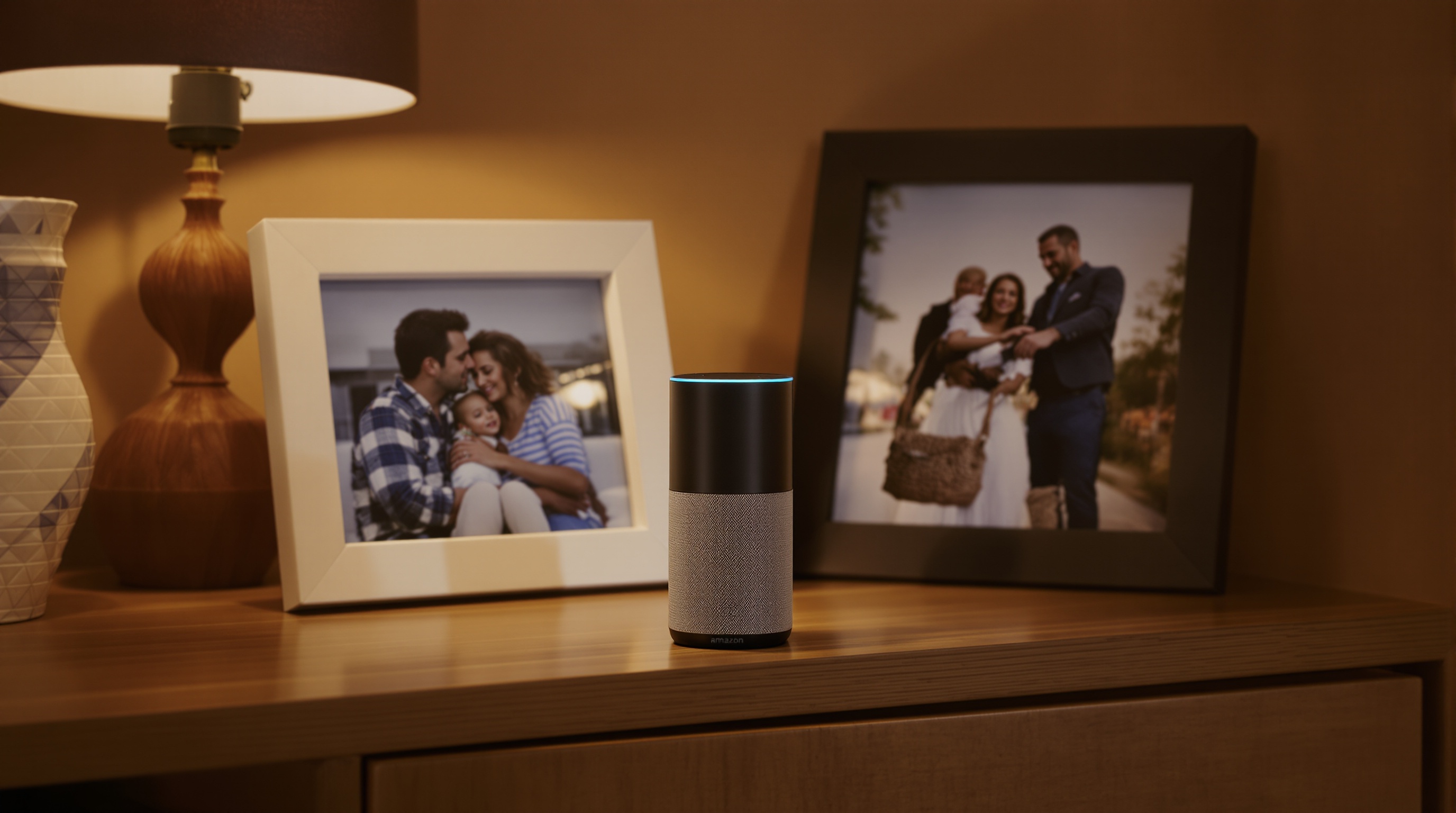
The Myth: Paid Storage Means Private Storage
There is a widespread assumption about Amazon Photos: because you pay for Prime, Amazon does not need to monetize your data. The logic sounds reasonable - you are already a paying customer, so why would Amazon do anything with your photos beyond storing them?
The reality is that Amazon's business model extends far beyond subscription revenue. Amazon's advertising division generated over $56 billion in 2025, making it the company's fastest-growing segment. Amazon sells cloud AI services to enterprises and governments through AWS. Amazon builds consumer surveillance hardware through Ring. Photos are not just storage - they are another data input feeding a much larger machine.
Amazon Photos privacy is not about whether Amazon will "sell" your photos. It is about how Amazon uses your photos to train AI, build facial recognition databases, and power a cross-service data pipeline that connects your family snapshots to doorbell cameras and voice assistants.
What Amazon Photos Actually Scans
When you upload a photo to Amazon Photos, several things happen that most users never see.
Facial recognition is enabled by default. Amazon Photos includes a "Tag Specific People" feature that automatically scans the face geometry of every person appearing in your uploaded photos. The service collects, stores, and uses records of individual faces to group photos of people with similar facial characteristics. Unlike Google Photos - which requires opt-in for face grouping in the EU - Amazon's facial scanning starts the moment you upload your first photo.
There is no end-to-end encryption. Amazon Photos uses AES-256 encryption at rest and SSL/TLS in transit, but this is server-side encryption where Amazon holds the keys. Amazon can access, scan, and process every photo you upload. There is no zero-knowledge encryption option. By comparison, Apple's iCloud offers Advanced Data Protection - a true end-to-end encryption mode where Apple cannot access your photos even if compelled by law enforcement.
The Terms of Service grant broad rights. Amazon's Conditions of Use include a license that is perpetual, irrevocable, and fully sublicensable. Amazon can use, reproduce, modify, adapt, publish, translate, create derivative works from, and distribute your content throughout the world in any media. The terms do not explicitly mention AI training, but the license is broad enough to encompass it.
If you are concerned about how Amazon handles your photos, the first step is to check your settings. Viallo takes a different approach - no AI scanning, no facial recognition, and a license limited to storing and delivering your photos to the people you choose to share with.
Your Photos and Amazon's Law Enforcement AI
This is the finding that makes Amazon Photos privacy fundamentally different from Google Photos or iCloud.
AWS's own marketing materials state that Rekognition Image is "based on the same proven, highly scalable, deep learning technology developed by Amazon's computer vision scientists to analyze billions of images daily for Prime Photos." Rekognition is Amazon's commercial facial recognition service, sold to law enforcement agencies, government organizations, and private companies.
A class-action lawsuit filed in the Northern District of Illinois (Case No. 1:21-cv-03169) alleges that Amazon used biometric data obtained through Amazon Photos facial scans to train and improve Rekognition. The case is still active as of 2026 - Amazon's motion to stay proceedings was denied in December 2024.
The gap between consumer and enterprise treatment is stark. AWS enterprise customers can opt out of having their data used to train AI services through AWS Organizations policies. No equivalent consumer-facing opt-out exists for Amazon Photos users. Your family vacation photos are processed by the same technology pipeline that powers a commercial surveillance product - and you have no mechanism to prevent it.
For context, Google paid $1.375 billion in May 2025 to settle Texas v. Google (Cause No. D-1-GN-22-003474), filed under Texas Capture or Use of Biometric Identifier Act (CUBI), Tex. Bus. & Com. Code §503.001. Meta paid $1.4 billion in Texas and $650 million to settle In re Facebook Biometric Information Privacy Litigation (N.D. Cal. Case No. 3:15-cv-03747) under the Illinois Biometric Information Privacy Act (740 ILCS 14). Amazon's BIPA lawsuit could carry similar penalties. The pattern of big tech using consumer photos for AI training without meaningful consent is well-documented across the industry.
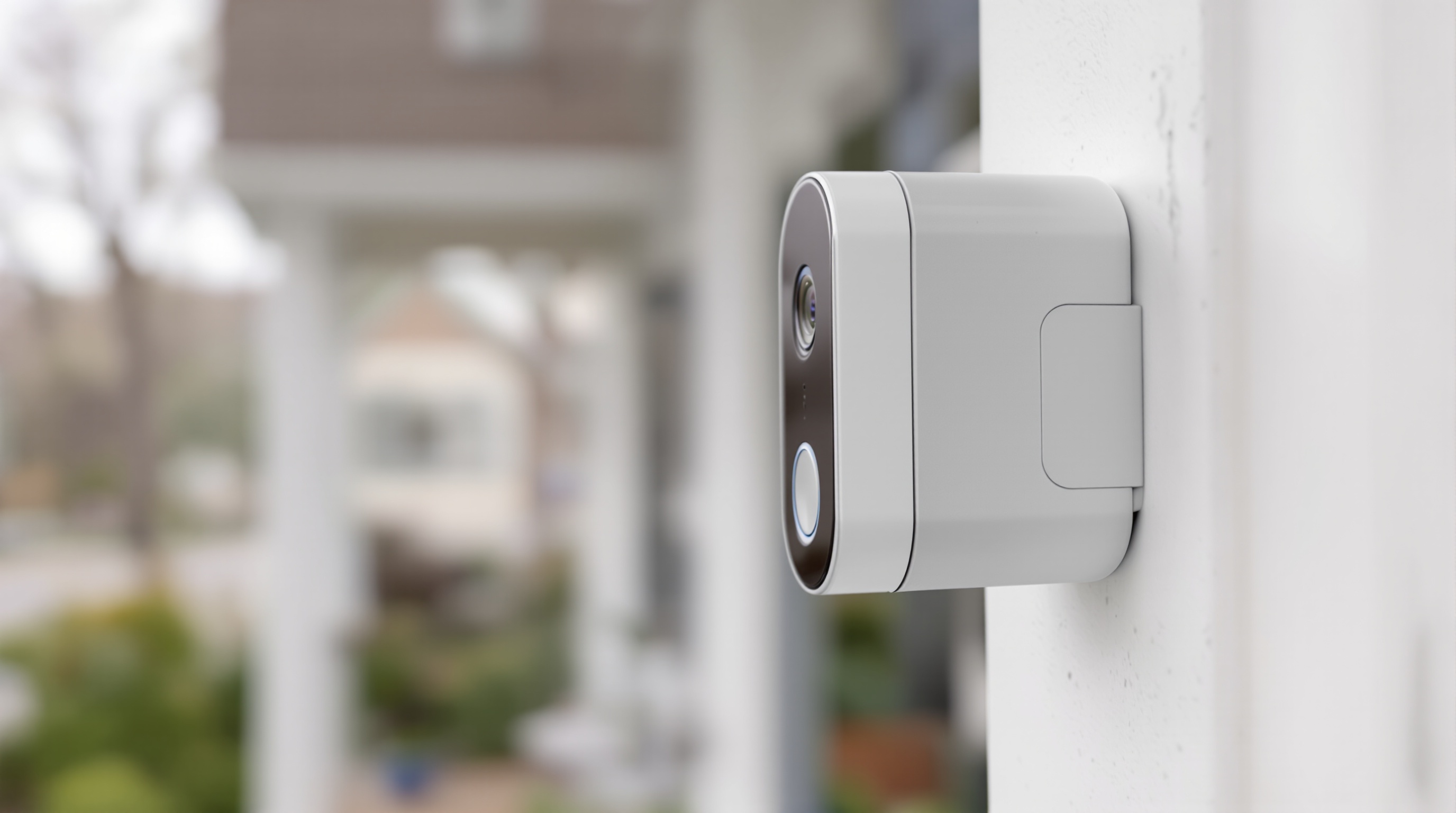
When Ring Meets Photos
Amazon's photo privacy issues extend beyond the Photos app. The company's ecosystem connects consumer photos, doorbell cameras, and voice assistants in ways that compound privacy concerns.
Ring employees accessed customer videos. The FTC complaint in In the Matter of Ring LLC (FTC File No. 192-3052, 2023) found that every Ring employee and Ukraine-based third-party contractor could access every customer's video - all stored unencrypted on Ring's network. One employee viewed thousands of recordings from at least 81 female users over a two-month period, specifically targeting cameras in bathrooms and bedrooms. A supervisor only flagged the behavior after noticing the employee was exclusively viewing videos of "pretty girls." The combined FTC penalties for Ring ($5.8M) and Alexa ($25M, FTC File No. 192-3128) exceeded $30 million.
Ring Familiar Faces launched in December 2025. Amazon added facial recognition to Ring doorbells, scanning the faces of everyone approaching the camera - including passersby, delivery workers, and visitors who never consented. Unmatched biometric data is retained for up to six months. The feature was blocked in Illinois, Texas, and Portland, Oregon, due to biometric privacy laws. Senator Ed Markey called on Amazon to abandon it entirely.
Alexa opt-out was removed. In March 2025, Amazon removed the"Do Not Send Voice Recordings" feature from Echo devices. Users can no longer opt out of voice data collection for AI training. The pattern is consistent: Amazon expands data collection across its ecosystem while reducing the controls available to users.
Amazon vs Google vs iCloud: A Privacy Comparison
Amazon Photos is not the only cloud photo service with privacy trade-offs, but it compares unfavorably to both Google Photos and iCloud on most privacy metrics. Here is how the three major platforms stack up.
| Feature | Amazon Photos | Google Photos | iCloud Photos |
|---|---|---|---|
| End-to-end encryption | No | No | Yes (with ADP enabled) |
| Facial recognition | On by default | Opt-in (EU) | On-device only |
| Server-side AI scanning | Yes | Yes | Minimal |
| AI training connection | Same tech as Rekognition | For "service improvements" | Apple says no |
| Zero-knowledge option | No | No | Yes (Advanced Data Protection) |
| License scope | Perpetual, sublicensable | Broad, operational | Narrower, storage-focused |
| Biometric lawsuits | Active BIPA class action | $1.375B Texas settlement | None major |
| Free storage | 5 GB | 15 GB | 5 GB |
The comparison tells a clear story. iCloud with Advanced Data Protection enabled is the strongest privacy option among the three major platforms - it is the only one offering true end-to-end encryption where Apple cannot access your photos. Google Photos falls in the middle: no end-to-end encryption, but at least face grouping requires opt-in in the EU. Amazon Photos sits at the bottom: facial recognition on by default, the broadest license terms, a documented connection to commercial law enforcement AI, and no encryption option that keeps Amazon out.
For a deeper look at Google's and Apple's practices specifically, see the Google Photos privacy settings guide and the iCloud Photos privacy analysis.
How to Protect Your Photos on Amazon
If you use Amazon Photos, these steps reduce your exposure. If you decide to move away from Amazon Photos entirely, the last step covers alternatives.
- Disable "Tag Specific People." Open Amazon Photos, go to Settings, find "Tag Specific People," and turn it off. This stops new facial scans, but Amazon retains biometric data already collected until you close your account.
- Review your sharing settings. Amazon's Family Vault lets you share storage with up to five people. Each person's photos are accessible to all members of the vault. If you have added family members, verify that everyone understands what is shared.
- Download your photos before canceling Prime. If you cancel Amazon Prime, your storage drops to 5 GB. You have roughly 60 days to download your photos before Amazon may begin removing content that exceeds the limit. Family Vault access is revoked immediately for all shared members.
- Check your Ring and Alexa settings. If you use other Amazon devices, audit their privacy settings too. Disable Ring Familiar Faces if active. Review what Alexa data is being retained. The data pipeline connects these services.
- Consider privacy-first alternatives. For storing and sharing photos without AI scanning, EU-hosted platforms provide stronger legal protections under GDPR and the EU AI Act. Check Viallo's pricing for a comparison of storage tiers.
Viallo is a private photo sharing platform that lets you create photo albums and share them through a link. Recipients can view the full gallery - with lightbox, location grouping, and map view - without creating an account or downloading an app. Photos are stored in full resolution with no AI scanning, no facial recognition, and a license limited strictly to storage and delivery.
Readers concerned about Amazon Photos privacy can start with Viallo's free plan - 2 albums, 200 photos, and 10 GB of storage with no credit card required.
Frequently Asked Questions
What is the best alternative to Amazon Photos for privacy?
For sharing, Viallo offers private photo albums with no AI scanning and no facial recognition. For encrypted personal storage, iCloud with Advanced Data Protection is the strongest option among major platforms - Apple cannot access your photos even under legal compulsion. Proton Drive offers encrypted cloud storage but lacks photo-specific features like gallery viewing and location grouping.
How do I turn off facial recognition in Amazon Photos?
Open Amazon Photos, go to Settings, and disable "Tag Specific People." This stops new facial scans going forward. However, Amazon retains biometric data already collected from previous scans until you delete your account entirely. Viallo does not perform any facial recognition - there is no setting to disable because the feature does not exist. Google Photos allows disabling face grouping in settings, but continues other forms of AI analysis.
Is it safe to store family photos on Amazon Photos?
Amazon Photos will not lose your photos or expose them through a public breach accidentally. The risk is subtler: facial recognition runs by default, the same technology powers a commercial AI service sold to law enforcement, Ring employees were caught accessing customer videos, and the Terms of Service grant Amazon a broad sublicensable license. Viallo stores family photos without any AI processing or sublicensing rights. For families already in Apple's ecosystem, iCloud with Advanced Data Protection is a strong alternative.
What is the difference between Amazon Photos and Google Photos for privacy?
Both scan photos with server-side AI and neither offers end-to-end encryption. The key differences: Amazon enables facial recognition by default while Google's face grouping is opt-in in the EU. Amazon's facial recognition technology directly powers its Rekognition commercial AI sold to law enforcement. Google's AI training is framed as "service improvement" rather than a separate commercial product. Amazon's Terms of Service are broader, with explicit sublicensing rights. Viallo offers a third option with no AI scanning and no sublicensing.
Does Amazon delete my photos if I cancel Prime?
Not immediately. When you cancel Amazon Prime, your storage drops from unlimited to 5 GB. You have roughly 60 days to download photos that exceed the limit. After that grace period, Amazon may begin removing content. Family Vault access is revoked immediately for all shared members. Viallo's free plan includes 2 albums, 200 photos, and 10 GB of permanent storage that does not depend on any other subscription.