AI Surveillance Cameras: 70 Cities Just Said No (2026)
More than 70 US cities have canceled, rejected, or deactivated contracts with Flock Safety, an AI surveillance camera company with over 100,000 cameras on American streets. A class-action lawsuit in San Francisco alleges that ICE, CBP, FBI, and ATF queried the city's Flock cameras over 1.6 million times in just seven months. Dayton, Ohio suspended its cameras after discovering 7,000 instances of immigration enforcement data access. The opposition is bipartisan - cities from Sedona, Arizona to Windsor, Connecticut are pulling the plug. What started as license plate readers has quietly expanded into a broader surveillance network, and communities across the political spectrum are pushing back.
What Is Happening With AI Surveillance Cameras
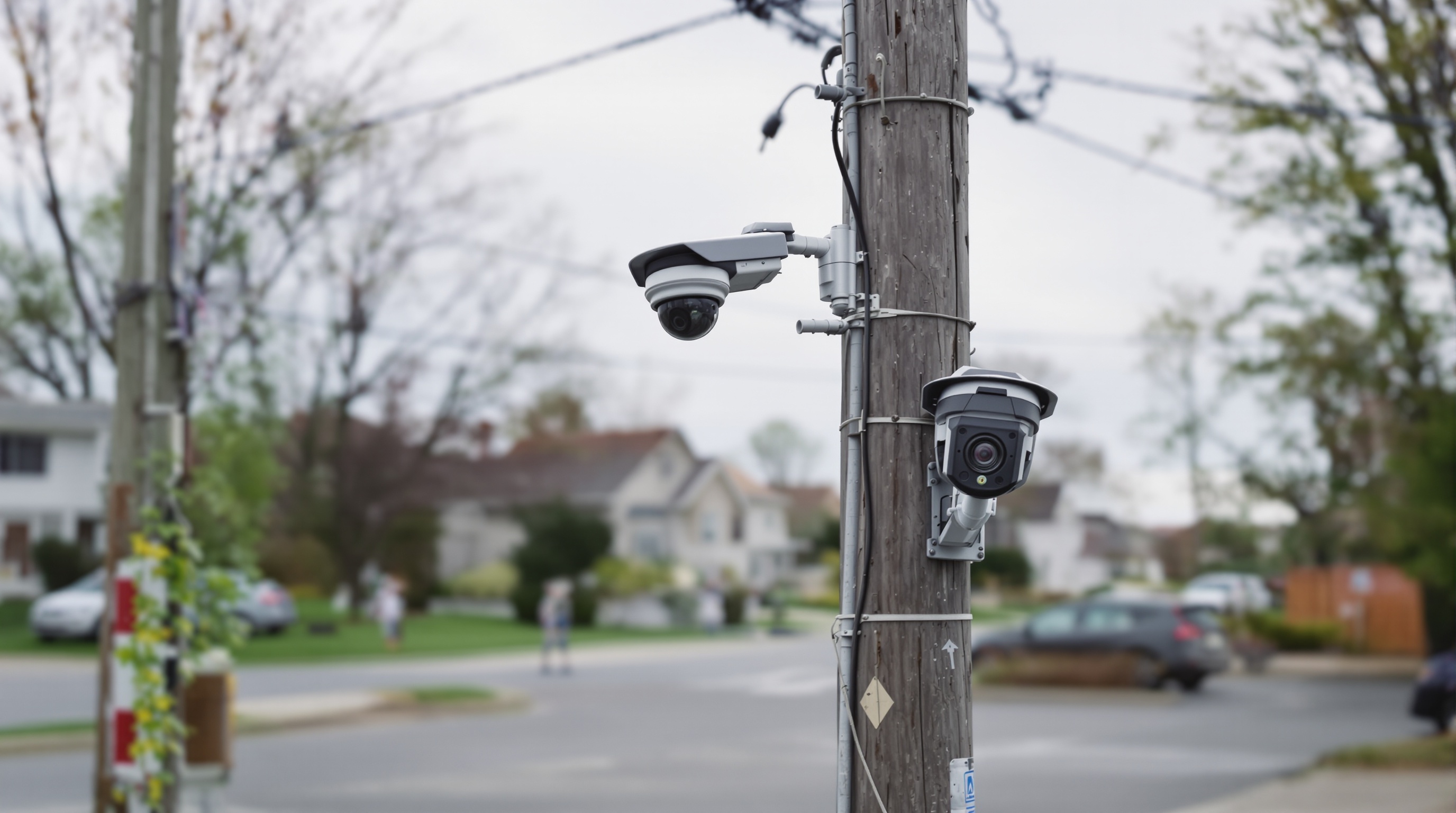
On July 2, 2026, the Washington Times reported that more than 70 cities across the United States have rejected, canceled, or deactivated contracts with Flock Safety - one of the largest AI surveillance camera companies in the country. Flock has over 100,000 cameras deployed on American streets, mostly sold to local police departments and city councils as crime-fighting tools.
The backlash isn't coming from one side of the political spectrum. Conservative towns in Texas and Virginia are canceling alongside progressive cities in Colorado and Connecticut. Sedona, Arizona. Denver, Colorado. Kent, Ohio. Warrenton, Virginia. Lockhart, Texas. The list keeps growing, and the reasons are remarkably consistent: communities didn't understand what they were buying.
Two organizations are tracking the pushback in real time. The ACLU launched its "Get the Flock Out" campaign, and Deflock, a grassroots organization, maintains a running tally of cancellations. Both report that the pace of rejections has accelerated sharply in 2026.
How Flock Safety Cameras Work
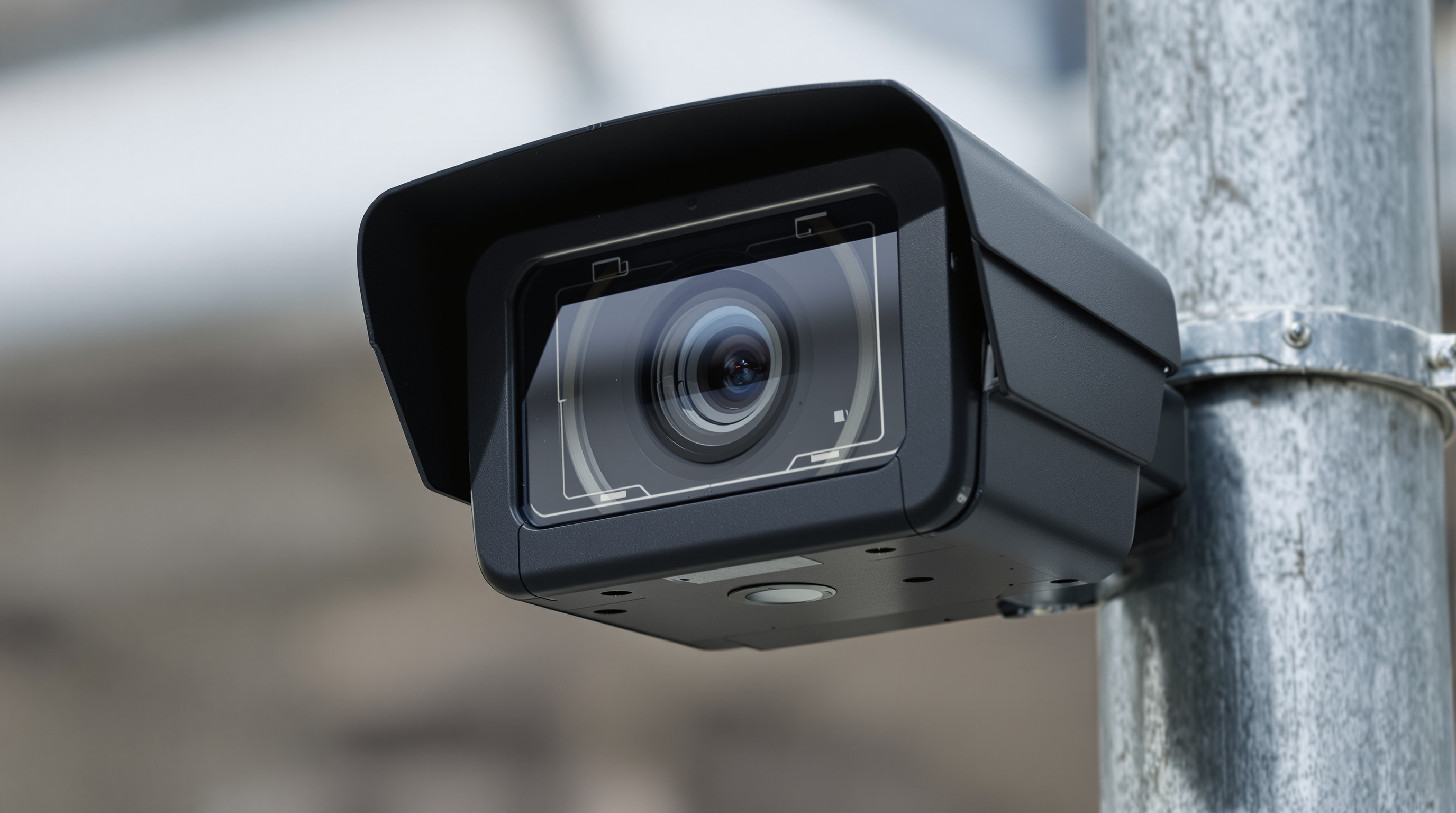
Flock cameras were originally marketed as Automated License Plate Readers, or ALPRs. The pitch to city councils was straightforward: mount cameras at key intersections, capture license plates of passing vehicles, and cross-reference them against stolen vehicle databases. A stolen car drives through town, the system flags it, police respond. Simple.
But the cameras do considerably more than read plates. Flock's system captures vehicle make, model, color, distinguishing features like bumper stickers or roof racks, and the direction of travel. It logs the time and location of every vehicle that passes. All of this data feeds into a searchable database that can be queried by any law enforcement agency with access - and the list of agencies with access has grown far beyond local police.
The data retention is where things get uncomfortable. Flock typically stores vehicle data for 30 days, but some contracts allow longer retention. And "retention" is a flexible concept when the data has already been queried and copied into federal databases with their own retention policies.
Why 70 Cities Are Pulling the Plug
The San Francisco class-action lawsuit is the clearest illustration of why cities are backing out. The suit alleges that ICE, CBP, FBI, and ATF queried San Francisco's Flock cameras over 1.6 million times in seven months. That's roughly 7,600 federal queries per day on a system the city installed for local crime prevention.
Dayton, Ohio tells a similar story. The city suspended its Flock cameras after an audit revealed 7,000 instances of immigration enforcement agencies accessing the camera data. The city council had approved the cameras to help with car theft and hit-and-runs - not to build a federal immigration surveillance network.
The pattern repeating across these 70+ cities is the same. A city council approves Flock cameras for a narrow, specific purpose. The cameras go up. Then the community discovers that the data is being accessed by federal agencies, shared across jurisdictions, or used for purposes nobody voted on.
It's not a partisan issue
This is one of the rare issues where you see conservative and progressive communities reaching the same conclusion independently. In Lockhart, Texas, the objection was government overreach - a surveillance system tracking residents' movements without their consent. In Windsor, Connecticut, it was civil liberties. In Denver, Colorado, it was immigration enforcement concerns. Different reasons, same result: the cameras come down.
The Pattern: From License Plates to Full Surveillance
I've been following surveillance technology for a while now, and Flock follows the same pattern I've seen with Ring doorbell cameras and other consumer surveillance products. The product launches with a narrow, reasonable-sounding use case. License plate readers to catch car thieves. Doorbell cameras to see who's at your door. Then the capabilities quietly expand.
Flock's cameras now capture far more than plates. They're building vehicle profiles - what you drive, where you go, how often, at what times. Federal agencies are querying millions of times. The "license plate reader" label becomes a shield that prevents public scrutiny of what the system actually does.
This is the same dynamic that plays out with photo location data. A feature that seems harmless in isolation - geotagging your vacation photos, reading a license plate - becomes a surveillance tool when aggregated at scale and made available to entities you never intended to share with.
It's also why geofence warrants are so concerning. When location data exists in a searchable database, law enforcement will search it - whether that's Flock's vehicle tracking, Google's location history, or the GPS coordinates embedded in your photos.
What This Means for Your Photos
AI surveillance cameras like Flock's are part of a larger shift: the infrastructure to track people's movements is being built rapidly, often without meaningful public oversight. Your car's movements get logged by street cameras. Your face gets scanned by doorbell cameras. Your photos get scraped for location data and biometric information by the platforms you upload them to.
The Flock backlash shows that when people understand what's happening with their data, they push back. But that pushback only works for government-installed cameras that require public contracts. For the photos on your phone - the ones with GPS coordinates, timestamps, and faces of your family - the choice of where to store and share them is entirely yours.
Viallo is a private photo sharing platform that lets you create photo albums and share them through a link. Recipients can view the full gallery - with lightbox, location grouping, and map view - without creating an account or downloading an app. Photos are stored in full resolution, and albums stay private by default with links you can revoke anytime.
Are AI surveillance cameras legal? In most US jurisdictions, yes - ALPRs and similar street-level camera systems operate in a legal gray area where courts have generally ruled that vehicles on public roads have limited privacy expectations. But legality and public acceptance are two different things, as 70+ cities have demonstrated. For personal photos, platforms like Viallo let you control who sees your images and metadata, while alternatives like Google Photos or iCloud use that data to power their own AI features.
What You Can Do About It
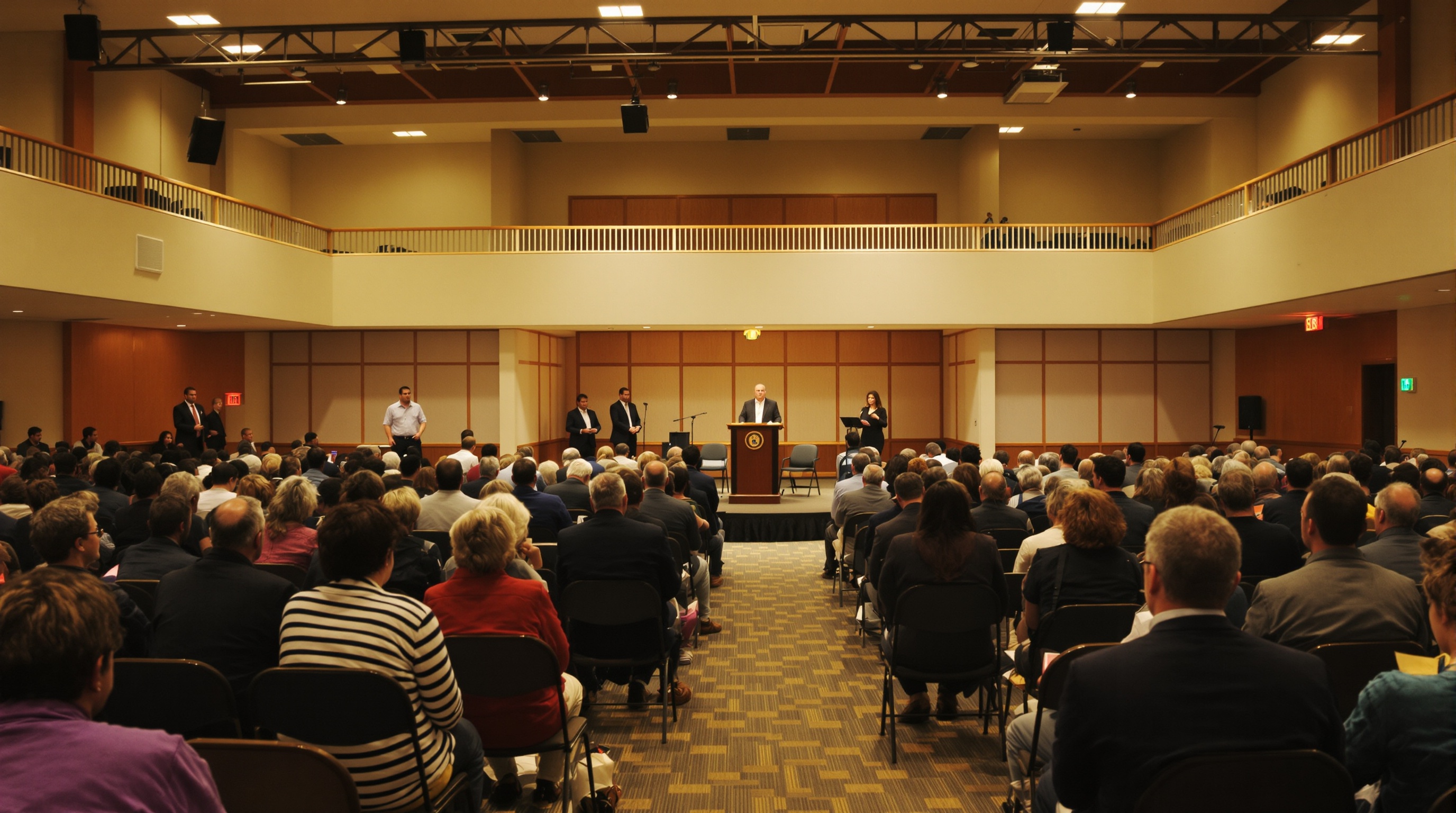
If you're concerned about AI surveillance cameras in your community, start with your city council. Check whether your city has a Flock Safety contract - Deflock's database is a good starting point. Attend a council meeting. The 70+ cities that have pushed back all started with residents asking questions.
- Check Deflock's database to see if your city has Flock cameras. The organization tracks active contracts, cancellations, and pending decisions across the US.
- File a public records request asking your city for the Flock contract, including data retention policies, which agencies have access, and how many times the data has been queried by federal agencies.
- Attend city council meetings when surveillance contracts come up for renewal. Most Flock contracts are 1-3 years. Communities that have successfully canceled did so at renewal time.
- Strip location data from shared photos. If you're already concerned about street cameras tracking your car, extend that thinking to the photos you share online. GPS coordinates in your photos create the same kind of location trail that Flock cameras build for vehicles.
- Support state-level privacy legislation. The cities rejecting Flock are acting locally, but comprehensive data privacy laws at the state level would address the underlying issue - unchecked surveillance data collection and sharing.
Frequently Asked Questions
What is the best way to protect your privacy from AI surveillance cameras?
Start locally: check whether your city has Flock Safety or similar ALPR cameras by searching Deflock's database, and attend city council meetings when contracts come up for renewal. For your personal data, minimize location metadata in photos you share online. Viallo strips EXIF data from shared album links by default, so recipients see your photos without the GPS coordinates that surveillance systems and data brokers find valuable. You should also review which apps have access to your photo library and location data.
How do I find out if my city has Flock Safety cameras?
Deflock, a grassroots organization, maintains a searchable database of cities with active, canceled, and pending Flock contracts. You can also file a public records request with your city's police department or city clerk asking about ALPR contracts. The ACLU's"Get the Flock Out" campaign has additional resources. If your city does have Flock cameras, the contract is a public document - request it and check the data retention period, which agencies have query access, and whether federal agencies are included.
Is it safe to share photos that contain location data?
Sharing photos with embedded GPS coordinates creates a location trail similar to what surveillance cameras build. Most social media platforms like Instagram and Facebook strip some metadata on upload, but retain it internally for their own use. Viallo preserves full resolution for viewers but lets album creators control whether location data is visible. For maximum privacy, use a platform that gives you explicit control over metadata rather than one that quietly harvests it for advertising or AI training.
What is the difference between Flock Safety cameras and Ring doorbell cameras?
Flock Safety cameras are government-contracted, street-level systems that capture license plates, vehicle details, and movement patterns of every car that passes. Ring doorbell cameras are consumer devices that Amazon sells to homeowners, capturing video and optionally scanning faces with the Familiar Faces feature. Both feed data to law enforcement - Flock through direct agency access, Ring through Amazon's partnerships and the Neighbors app. The key difference is that Flock requires a public contract that citizens can challenge, while Ring cameras are private purchases with no public oversight.
Why are cities canceling their surveillance camera contracts?
Most cities approved Flock cameras for narrow purposes like catching stolen cars or solving hit-and-runs. They canceled after discovering the scope had expanded far beyond that - federal agencies were querying the data millions of times, immigration enforcement was accessing local cameras, and residents' daily movements were being logged in searchable databases. The opposition is bipartisan: conservative communities object to government overreach, progressive communities object to immigration enforcement and civil liberties violations. Viallo takes a similar philosophy with photos - you choose exactly who sees your albums, and no third-party agency gets access to your data.