World Cup Facial Recognition: Your Face Is the Ticket (2026)
The 2026 FIFA World Cup is the largest deployment of facial recognition technology at a sporting event in history. Stadiums across the US, Canada, and Mexico are scanning every face that walks through a turnstile, with no meaningful opt-out for the estimated 5.5 million attendees. ICE is running a real-time facial identification app at venue perimeters, and Boston Dynamics robot dogs equipped with cameras are patrolling stadium grounds. The surveillance infrastructure being built for this tournament will outlast it. If you are attending - or even photographing people who are - here is what is actually happening to your biometric data, and what you can do about it.
What Happened at the World Cup Gates
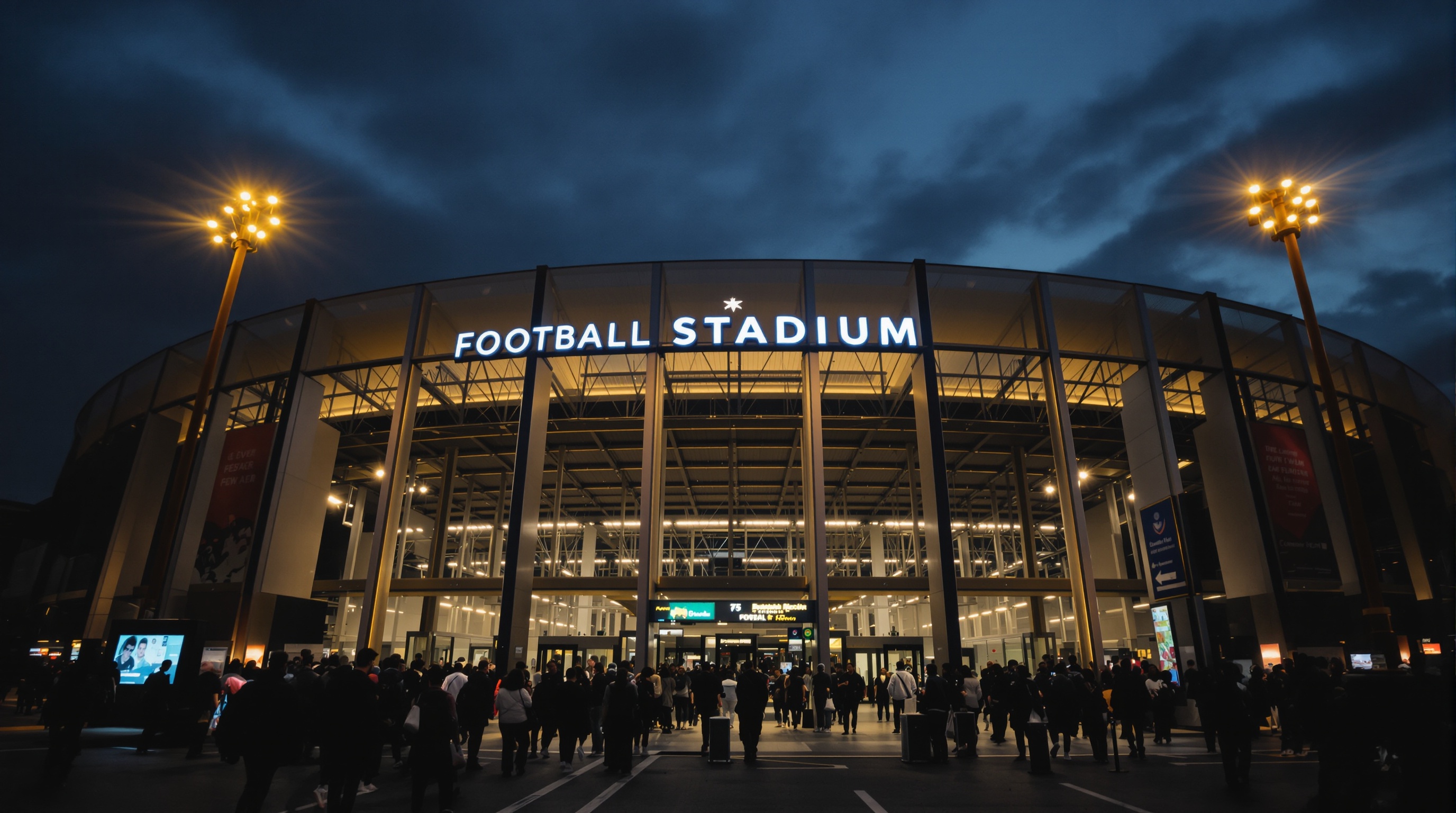
When the 2026 FIFA World Cup kicked off on June 11, fans entering stadiums in Boston, Miami, Atlanta, Dallas, and New Jersey walked through something new: AI-powered facial recognition gates. Every person entering a venue had their face scanned, matched against databases, and logged - all in the time it takes to tap a ticket.
This is not a pilot program or a limited trial. FIFA and host city organizers deployed facial recognition as the primary security screening method across all 16 host venues. The technology is being used for entry verification, payment processing (fans can pay for food and merchandise with their face), and law enforcement identification.
Immigration and Customs Enforcement (ICE) introduced a new tool called "Mobile Fortify" - an app that allows agents positioned around stadium perimeters to run real-time facial identification on anyone in the crowd. The app cross-references faces against federal databases, and it operates without individual warrants or probable cause for the initial scan.
The Technology Behind the Turnstiles
The World Cup's surveillance apparatus is layered. Understanding each layer matters because they serve different operators and retain data under different rules.
- Gate-level facial recognition. Cameras at every turnstile capture a biometric template of each face. This template is compared against the ticket holder's registered photo (uploaded during ticket purchase) to verify identity. The match happens in under a second. Venues in MetLife Stadium (New Jersey), Hard Rock Stadium (Miami), and Mercedes-Benz Stadium (Atlanta) are all running this system.
- Facial payment systems. Several venues offer "face pay" at concession stands and merchandise shops. Fans who opted in during ticket registration can complete purchases by looking at a camera. The payment processor links the biometric template to a stored credit card.
- Boston Dynamics robot patrols. Spot robots equipped with 360-degree camera arrays are patrolling parking lots, fan zones, and perimeter areas at multiple venues. The robots stream video to a central operations center where AI software flags "anomalous behavior" for human review.
- ICE Mobile Fortify. Federal agents at stadium perimeters use a mobile app to photograph individuals and run real-time identification against immigration and criminal databases. This layer operates independently from FIFA's venue security.
Why This World Cup Is Different
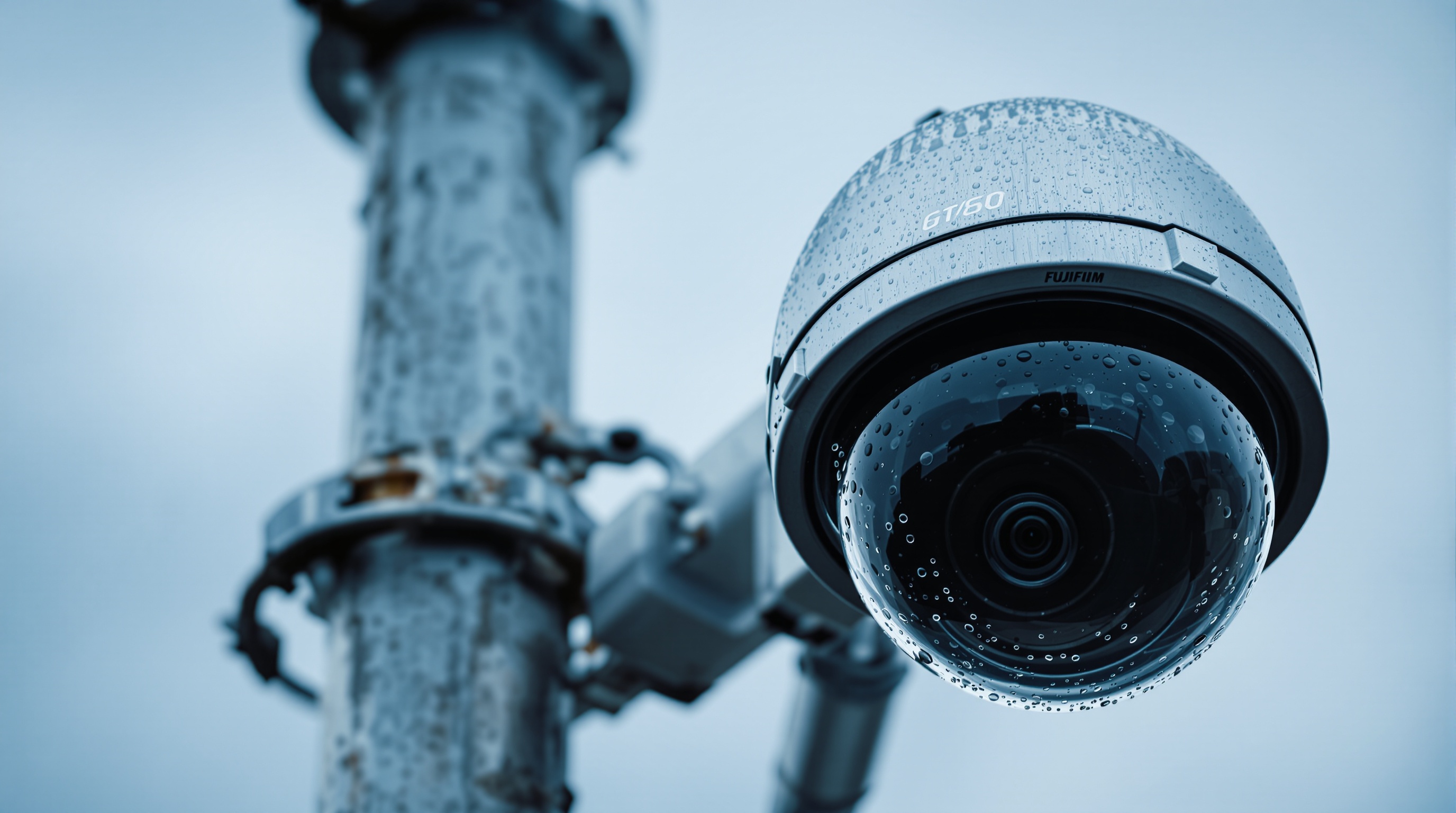
Large events have used surveillance cameras for decades. But the 2026 World Cup represents a qualitative shift in three ways.
Scale. An estimated 5.5 million people will attend matches across 16 venues over six weeks. Every one of them will have their face scanned at least twice per match (entry and exit). That is roughly 11 million facial scans for a single tournament - dwarfing any previous deployment. Disney's facial recognition at theme parks processes millions of faces per year, but the World Cup will match that volume in weeks.
No meaningful opt-out. Ticket terms require biometric enrollment for entry. If you want to attend a match, you consent to facial scanning. The ACLU has raised similar concerns about passport photo databases, but the World Cup goes further: it ties consent to access. You cannot enter the venue without providing your face.
Infrastructure permanence. Privacy International and the Electronic Frontier Foundation (EFF) have warned that the cameras, wiring, and AI software installed for the World Cup will remain in these stadiums long after the tournament ends. MetLife Stadium, Hard Rock Stadium, and the other venues will inherit a fully operational facial recognition system. The EFF specifically noted that this infrastructure "will outlast the current World Cup."
What Happens to Your Face Data After the Game
This is the question that privacy researchers are most concerned about, and the one with the least clear answer.
FIFA's ticketing terms state that biometric data collected for entry verification will be"deleted after the tournament." But the terms do not define what "after" means - whether that is the day after the final match, 30 days later, or some unspecified future date. More importantly, FIFA's deletion promise covers only the data it controls directly. It does not cover:
- Data retained by venue operators (each stadium has its own data policies)
- Data captured by law enforcement tools like Mobile Fortify (governed by federal retention schedules)
- Data processed by third-party security contractors
- Footage from the robot patrols, which streams to operations centers run by local police departments
In the US, there is no federal law governing biometric data retention. Only a handful of states - Illinois (BIPA), Texas, and Washington - have biometric privacy statutes. If your face was scanned at a venue in New Jersey, Florida, or Georgia, there is no state-level law requiring deletion of your biometric template. As wrongful arrest cases have shown, once biometric data enters law enforcement databases, removing it is nearly impossible.
What This Means for Your Photos
The World Cup's surveillance infrastructure does not just scan faces at gates. It creates a context where every photo taken inside a stadium exists within a biometrically mapped environment. Here is why that matters for anyone who takes or shares photos at large events.
Your photos contain faces that are now in databases. If you photograph a group of friends at a World Cup match and share those photos online, every identifiable face in the image has a corresponding biometric record in the venue's system. That photo, combined with the biometric data, creates a richer identification profile than either piece of data alone.
Location and timing metadata adds another layer. Photos taken inside a stadium contain GPS coordinates and timestamps in their EXIF metadata. Combined with the venue's facial recognition logs, this creates a precise record of who was where, when - down to the specific gate they entered and the section they sat in.
Sharing publicly amplifies the risk. Posting match photos on Instagram, Facebook, or X makes them searchable and scrapable. AI companies and data brokers routinely harvest publicly posted photos to build facial recognition training sets. A photo you shared from Section 214 at MetLife Stadium becomes raw material for systems you never consented to.
How to Protect Your Photos at Large Events
You cannot opt out of the venue's facial recognition system if you want to attend. But you can control what happens to the photos you take there.
- Strip metadata before sharing publicly. Remove EXIF data (GPS coordinates, timestamps, device info) from photos before posting them on social media. Most phones let you disable location tagging in camera settings. For photos already taken, use a metadata removal tool before uploading.
- Share privately instead of publicly. Instead of posting match photos to Instagram or Facebook where they become permanently indexed and scrapable, share them through private channels. A private photo album shared via a direct link keeps your photos off public search engines and away from AI training scrapers.
- Avoid facial payment systems. The convenience of paying with your face is not worth the biometric data it generates. Use a physical card or cash at concession stands.
- Be selective about group photos. Before tagging people in group photos or sharing them publicly, consider that every face in the image is now linked to a biometric record. Ask before posting photos of other people, especially children.
- Check your ticket terms. Review what biometric data you consented to share during ticket purchase. Some venues allow you to request deletion of your biometric template after the event - but you have to ask.
When sharing photos from events, platforms that do not scan your images matter more than usual. Viallo is a private photo sharing platform that stores photos with no facial recognition, no AI scanning, and no biometric data collection. Recipients view shared albums in a browser with lightbox, location grouping, and map view - without creating an account. Unlike platforms that analyze every face in your uploads, Viallo treats your photos as files, not training data.
The Bigger Pattern
The World Cup is not happening in isolation. Connecticut now requires stores to disclose facial recognition. The EU's AI Act, which began enforcing prohibitions on biometric categorization in February 2026, explicitly bans real-time facial recognition in public spaces - but sports venues with ticketing consent may fall outside the ban's scope. In the US, 46 states now have laws targeting AI-generated synthetic media, but only three have biometric privacy statutes.
The gap between the technology being deployed and the laws governing it is widest at exactly these kinds of events: temporary, high-profile, multi-jurisdictional, and wrapped in enough excitement that most attendees do not think about the surveillance until after they have walked through the gate.
What the World Cup normalizes, everyday venues adopt. If 5.5 million people accept facial recognition as the price of watching a football match, the same technology at concert halls, conference centers, and shopping malls becomes harder to push back against.
Frequently Asked Questions
What is the best way to protect your face from facial recognition at events?
There is no reliable way to prevent facial recognition scanning at venues that require it for entry. However, you can limit the downstream impact. Strip EXIF metadata from event photos before sharing them, use private sharing methods instead of social media, and avoid opting into facial payment systems. Viallo lets you share event photos privately through unguessable links you can revoke at any time, without any facial analysis or biometric processing. For sharing with family and friends, private albums are significantly safer than public social media posts.
How do I stop my photos from being used for facial recognition?
Remove GPS coordinates and timestamps from photos before sharing them publicly - this prevents correlation with venue biometric logs. Avoid posting group photos on public platforms where AI companies scrape faces for training data. Share event photos through private channels instead: Viallo stores photos with no AI scanning and lets recipients view albums without creating an account. Google Photos and iCloud both perform facial analysis on uploaded images for their own features.
Is it safe to take photos at the 2026 World Cup?
Taking photos is safe in the sense that no venue prohibits it. The risk is in how you share those photos afterward. Every face in your photos has a corresponding biometric record in the venue's system, and publicly shared photos can be linked to those records. Share privately through platforms like Viallo that do not analyze photo contents, and consider stripping metadata before any public posting. The photos themselves are fine - it is the combination of photos plus biometric data plus public accessibility that creates privacy exposure.
What is the difference between facial recognition and regular security cameras?
Regular security cameras record video footage that a human can review later. Facial recognition cameras create a mathematical template of each face (a "faceprint") and compare it against databases in real time. The difference is identity: a security camera sees a person, but a facial recognition camera knows who that person is, when they arrived, and can track them across multiple cameras. The World Cup venues use both, but the facial recognition layer is what creates the permanent biometric record. Google Photos performs similar facial analysis on your uploaded photos for its face grouping feature.
Can they really identify me just from walking through a stadium gate?
Yes. Modern facial recognition systems achieve over 99% accuracy in controlled environments like stadium turnstiles with consistent lighting and camera angles. The camera captures your face, generates a biometric template in milliseconds, and matches it against the ticket holder database. At World Cup venues, this is the primary entry method - it replaces or supplements traditional ticket scanning. Law enforcement tools like ICE's Mobile Fortify can also identify individuals in less controlled settings like parking lots and fan zones, though with lower accuracy.