Instagram Repost Rules: What Changes for Creators (2026)
Quick take: Instagram announced on April 30, 2026 that it will stop recommending reposted and aggregator content across all formats - not just Reels, but photos and carousels too. Watermarks, minor crops, and basic credit don't count as original work. If you're a photographer or creator, this is a major shift in how Instagram treats your original content. Platforms like Viallo let you host full-resolution originals outside Instagram entirely, giving you a clean proof-of-ownership trail with no reposting risk.
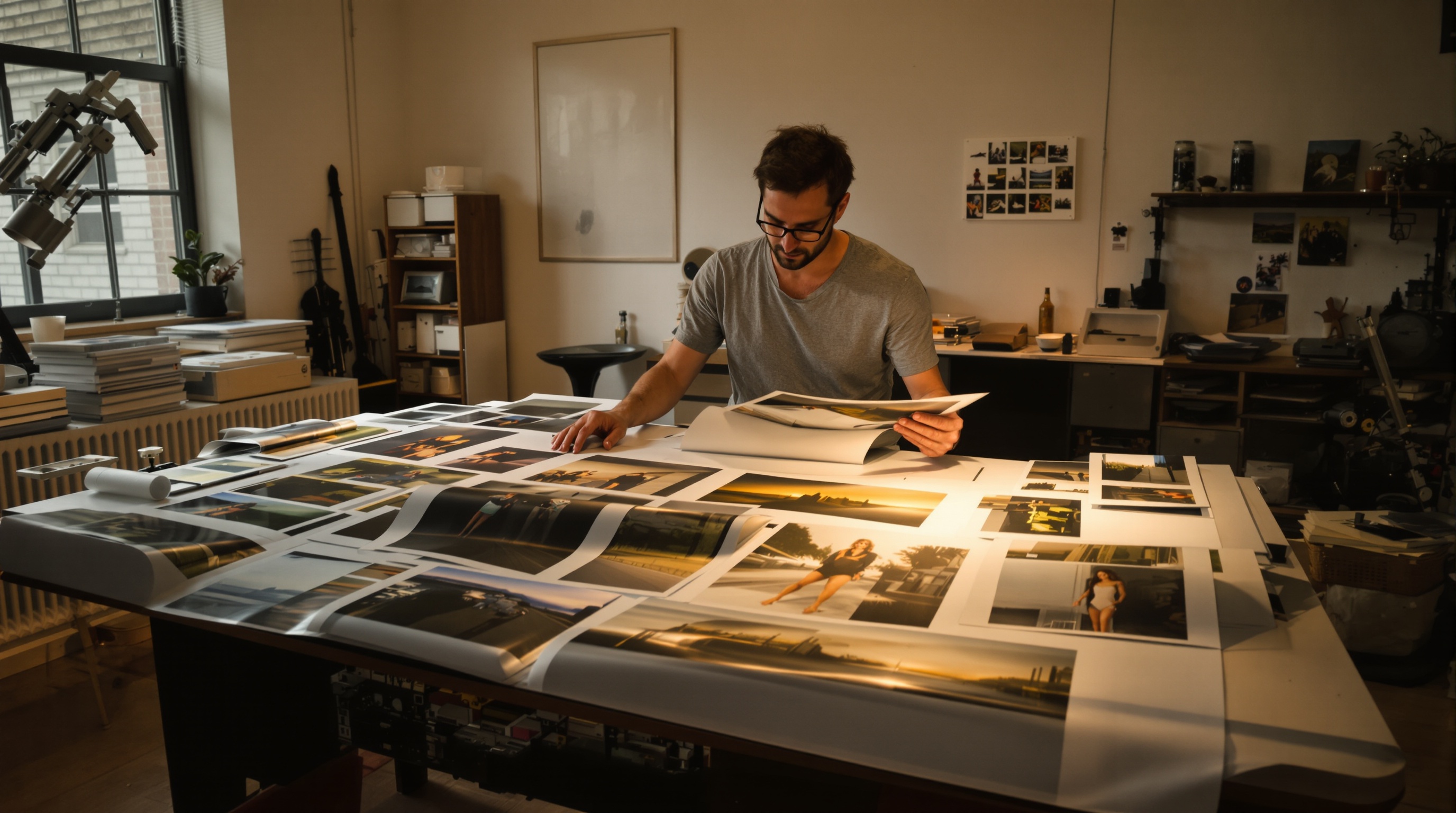
What Instagram Just Changed About Reposted Content
On April 30, 2026, Instagram announced it will no longer recommend photos and carousel posts from aggregator accounts that repost other creators' content without meaningful transformation. This is a significant expansion of a policy that previously only applied to Reels. Now every content format on the platform is subject to the same rule: if you didn't create it, Instagram won't push it to new audiences.
Head of Instagram Adam Mosseri acknowledged that aggregator accounts play an important role in the ecosystem but said they need to adapt. His position is clear: accounts that simply collect and repost other people's photos - even with credit - will see their reach drop dramatically. The algorithm will actively deprioritize this content in Explore, the main feed, and suggested posts.
Viallo is a private photo sharing platform that lets you create photo albums and share them through a link. Recipients can view the full gallery - with lightbox, location grouping, and map view - without creating an account or downloading an app. Photos are stored in full resolution, and every share link is private by default with instant revocation.
What Counts as "Original Content" on Instagram
Instagram's definition of "original" is stricter than most creators expect. Adding a watermark to someone else's photo doesn't make it yours. Cropping a landscape shot to square doesn't make it yours. Posting someone's photo with a "credit to @photographer" tag in the caption doesn't make it yours. None of these count as meaningful transformation under the new policy.
So how does Instagram's repost policy work in 2026? The platform evaluates whether content has been meaningfully transformed from its source. This means the creator needs to have added substantial creative input - new editing, commentary overlays, collage work, or original context that fundamentally changes the purpose of the image. A simple reshare with attribution no longer qualifies. Viallo sidesteps this problem entirely because your photos live on your own albums, shared through direct links rather than a public feed where anyone can screenshot and repost them.
The criteria Instagram uses to flag reposted content include:
- Reverse image matching: Instagram compares uploads against its database of existing posts to detect duplicates and near-duplicates.
- Metadata analysis: Original photos carry camera and device metadata. Reposted screenshots and downloads typically don't.
- Account behavior patterns: Accounts that post high volumes of content across many topics, with no consistent shooting style, get flagged as aggregators.
- User reports: Original creators can report reposted content, and these reports now carry more weight in the recommendation algorithm.
The Pattern: Platforms Are Finally Protecting Original Photos
Instagram's move isn't happening in isolation. There's a clear pattern forming across every major content platform: original creators are getting priority, and reposters are losing reach. YouTube's Content ID system has been identifying and demonetizing reposted video content for years. TikTok introduced its own repost detection in 2025, downranking accounts that re-upload other creators' clips without permission. Even Pinterest updated its algorithm to favor original pins over re-pins of existing content.
The economics behind this shift are straightforward. Platforms need original creators to keep producing content. If aggregator accounts can build massive followings by reposting other people's work, original creators lose their incentive to post. Instagram learned this lesson the hard way with Reels, where aggregator accounts were outperforming the creators whose content they were reposting. Extending the policy to photos and carousels was inevitable.
Copyright enforcement is also tightening globally. The EU's Digital Services Act requires platforms to act faster on copyright complaints. The US Copyright Office has been pushing for updated frameworks that address how social platforms handle original creative work. Platforms are responding by building detection into their algorithms rather than waiting for individual takedown requests. If you're curious how Instagram's algorithm changes affect visibility more broadly, check out how Instagram and Google indexing interact.
What This Means If You're a Photographer or Creator
The immediate impact is positive for anyone creating original content. If you're shooting your own photos, your work should get more organic reach on Instagram now that aggregator accounts aren't competing for the same Explore spots. Accounts that have been reposting your work without permission will see their visibility drop, which means fewer people discovering your photos through someone else's page instead of yours.
But platform protection has limits. Instagram's algorithm can deprioritize reposted content, but it can't stop someone from downloading your photo and uploading it as their own. Detection isn't perfect - especially for edited or cropped versions. And the policy only affects recommendations, not the posts themselves. A reposted photo still exists on the aggregator's profile. People who already follow that account will still see it. The real protection comes from having provable ownership of your originals outside any single platform.
How to Protect Your Original Photos Beyond Instagram
Instagram's new policy helps, but relying on any single platform to protect your work is a mistake. The strongest position you can be in is having your original files stored and timestamped somewhere independent. If you ever need to prove you're the original creator - for a copyright dispute, a takedown request, or just to call out a reposter - you need access to your full-resolution originals with intact metadata. Read more about who owns the photos you upload to understand why this matters.
Here's what I recommend for any photographer serious about protecting their work:
- Keep original files with metadata intact. Don't strip EXIF data from your master copies. Camera model, GPS coordinates, and timestamps all serve as proof of authorship.
- Host originals outside Instagram. Platforms like Viallo store full-resolution photos with all metadata preserved, giving you an independent record of your work that no algorithm change can affect.
- Share selectively through direct links. Instead of posting everything publicly, consider private photo sharing for photographers to control exactly who sees your work before it goes public.
- Register copyright for commercial work. For photos you sell or license, formal copyright registration gives you legal standing that no platform policy can replace.
- Monitor for reposts regularly. Use reverse image search tools to find unauthorized copies of your work across platforms.
Frequently Asked Questions
What is the best way to protect my photos from being reposted on Instagram?
Use a combination of Instagram's built-in tools and external protection. On Instagram, enable the originality label for your posts and report unauthorized reposts through the copyright infringement form. Outside Instagram, store your full-resolution originals on a platform like Viallo where your photos are timestamped and preserved with all metadata intact. This gives you provable ownership if you ever need to file a dispute. Watermarking helps with attribution but doesn't prevent reposting under Instagram's new policy.
How do I report a reposted photo on Instagram?
Go to the reposted photo, tap the three dots menu, select "Report," then choose"Intellectual property violation." You'll be directed to Instagram's copyright form where you'll need to provide your original post or proof of ownership. Having full-resolution originals with EXIF metadata on a platform like Viallo strengthens your claim significantly - Instagram's team can verify that your file predates the repost and contains original camera data that screenshots and downloads don't have.
Is it safe to post original photos on Instagram?
Instagram's new repost policy makes it safer than before, since aggregators will lose reach when they repost your content. But your photos are still publicly visible and can be screenshotted or downloaded. If you want maximum control, consider keeping your best work on platforms with built-in access controls - Google Photos lets you share albums with specific people, iCloud Shared Albums work within Apple's ecosystem, and dedicated photo sharing platforms offer link-based sharing through private, revocable links. Use Instagram for promotion, but don't treat it as your only copy or your primary archive.
What is the difference between Viallo and Instagram for sharing original photos?
Instagram is a public social network designed for discovery and engagement. Your photos are visible to anyone (unless your account is private), they're compressed to lower resolution, and EXIF metadata is stripped on upload. Viallo is a private photo sharing platform where you share through direct links, photos are stored in full resolution with all metadata preserved, and recipients don't need an account to view them. Instagram is better for building an audience. Viallo is better for delivering original-quality work to specific people while maintaining proof of ownership.
Can someone repost my Instagram photos if my account is private?
A private account limits who can see your posts to approved followers only, which significantly reduces reposting risk. However, any approved follower can still take a screenshot, screen record, or use third-party tools to save your photos. Instagram's repost policy doesn't apply to private accounts since their content isn't recommended to begin with. If you want to share photos with a controlled group without the risk of public exposure, consider link-based sharing through private, revocable links instead of relying on Instagram's follow-approval system.