UK Police Paused Facial Recognition After It Proved Racially Biased
Quick take: Essex Police paused its live facial recognition deployments after identifying potential accuracy and bias risks - a pause the Information Commissioner's Office confirmed in March 2026. The UK government had just announced plans to expand the technology to 40 more police vans across England and Wales. If your face is in a photo - on social media, in a cloud album, or even just walking past a camera - this story matters.
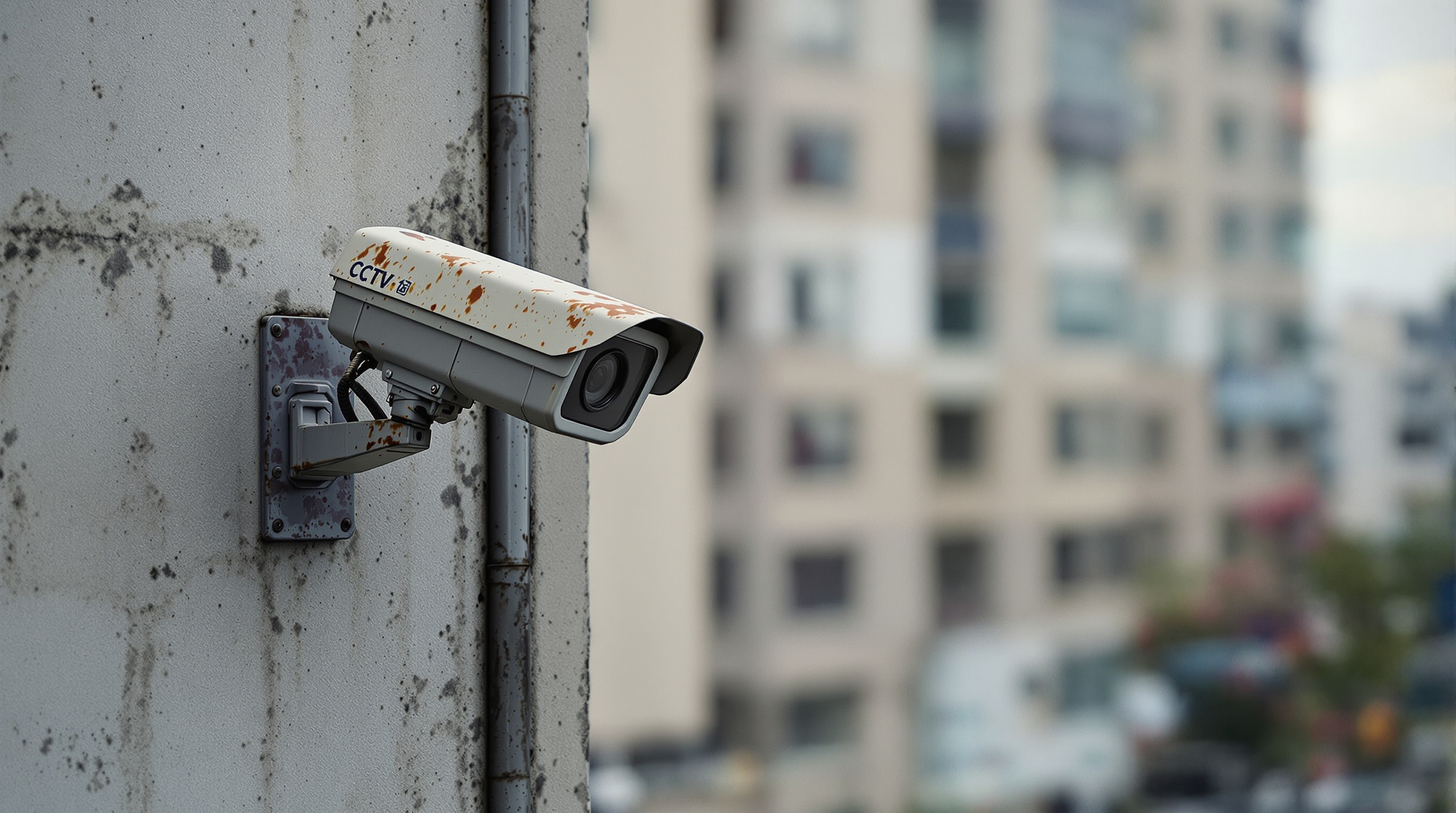
What happened in Essex
Essex Police became one of at least 13 UK police forces using live facial recognition (LFR) technology in public spaces. The system works by comparing faces captured by cameras against a watchlist database in real time. Walk past a camera, get scanned, get matched - or not.
In March 2026, a study led by Cambridge University researchers found something the technology's critics had been warning about for years: the system was statistically more likely to correctly identify Black participants than people of other ethnic groups. That sounds like it might be a good thing until you think about what it actually means in practice - more surveillance, more stops, more false positives for one demographic group.
Essex Police paused all LFR deployments immediately. The Information Commissioner's Office, which regulates this technology, confirmed the suspension and issued warnings to other forces about potential accuracy and bias risks.
The UK's facial recognition expansion plan
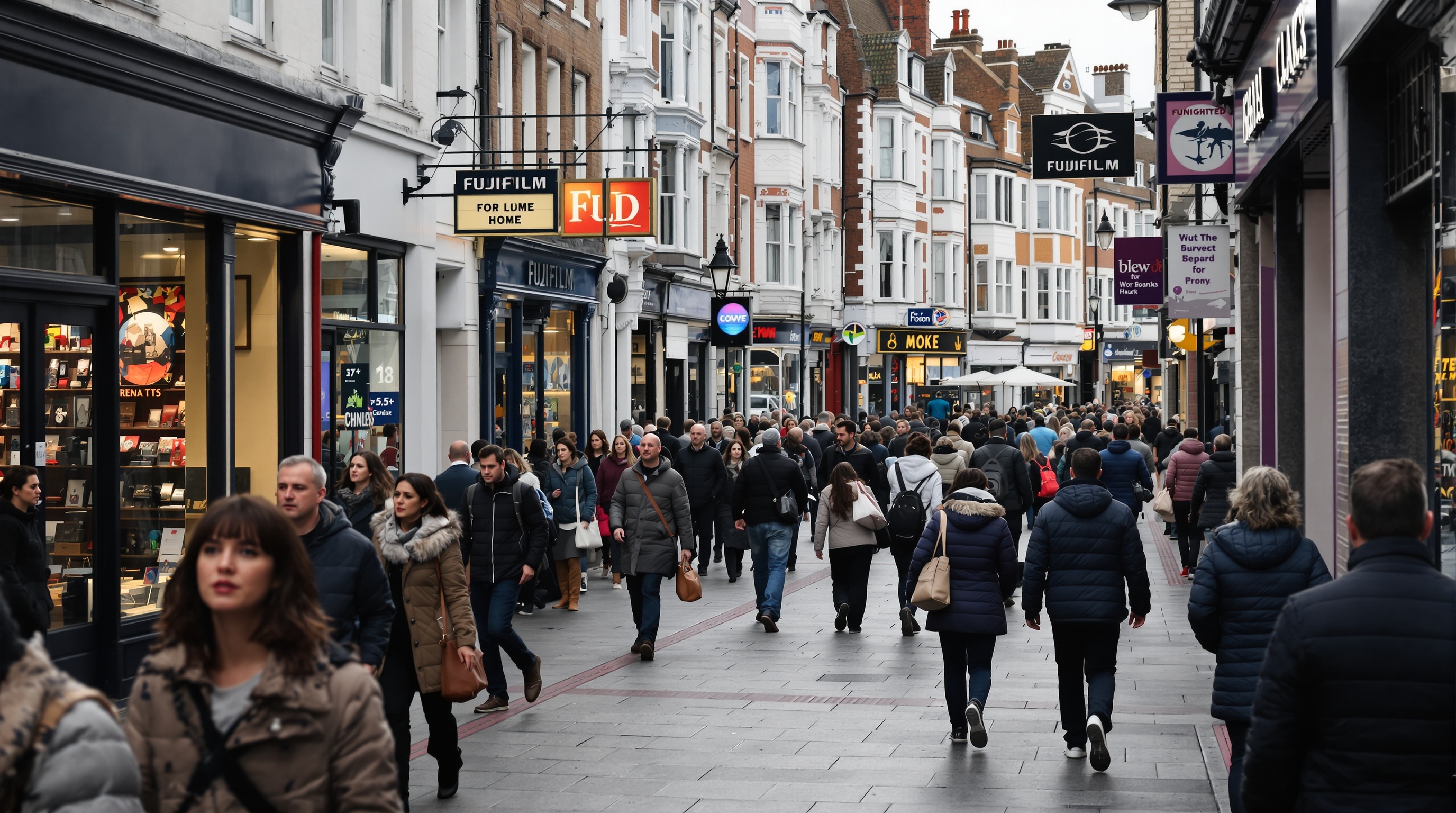
Here's the part that makes this pause significant: it came just weeks after the UK government announced plans to dramatically scale up facial recognition across England and Wales. A Home Office white paper outlined spending more than 26 million pounds on a national facial recognition system and 11.6 million pounds on LFR capabilities, including 40 new camera-equipped police vans on top of the 10 already in use.
The plan calls for deploying these vans in town centers and high-crime hotspots. That's a lot of faces being scanned - and if the underlying technology has bias baked into it, scaling up just means scaling up the problem.
The same government runs the facial image databases that this expansion will search. The Home Office policy for requests from police forces to search the passport and immigration facial image galleries says a search may be performed where it is in the interest of national security, for the purposes of preventing or investigating crime, or for the purposes of preventing serious risk to life.
Why facial recognition keeps getting bias wrong
The bias problem in facial recognition is well-documented and not new. Per NIST IR 8280 (Face Recognition Vendor Test Part 3: Demographic Effects, 2019), false-positive differentials were factors of 10 to 100 higher for Asian and African-American faces compared to Eastern European faces across 189 algorithms. In 2020, the Robert Williams v. City of Detroit case (No. 2:21-cv-10827, E.D. Mich.) became the first known wrongful arrest in the United States caused by a false facial recognition match.
The core issue is training data. Most facial recognition models are trained on datasets that overrepresent lighter-skinned faces. The algorithms learn to detect patterns they've seen the most, and they struggle with faces that look different from their training set.
The Essex case adds a new wrinkle. The National Physical Laboratory found no statistically significant bias in controlled testing of the same system, achieving an 89% true positive rate with a 0.017% false positive rate. But the Cambridge researchers found bias in real-world deployment. The gap between lab conditions and street conditions is where bias hides.
What this means for your photos
You might think facial recognition cameras on UK streets have nothing to do with your photo library. But the technology is all connected. The same algorithms that scan faces on the street are used to identify faces in photos. And the databases they search against are built from photos - passport photos, immigration photos, and potentially any images accessible through government databases.
When you share photos publicly on social media, those images become training data for facial recognition companies. Clearview AI built its entire business by scraping billions of public photos from Facebook, Instagram, and other platforms - per the UK ICO's monetary penalty notice of May 2022, Clearview was fined GBP 7.5 million and ordered to delete UK residents'data, and per ACLU v. Clearview AI, Inc. (2022 settlement, Cook County Cir. Ct.) the company is barred from selling its database to most private US entities. Your holiday photos, group shots, and selfies all contribute to databases that can be used to identify and track people.
The question isn't just whether facial recognition is accurate. It's whether your photos should be part of a system that identifies people without their knowledge or consent - and that has been proven to work differently depending on the color of your skin.
How other countries handle this
Per Article 5(1)(h) of Regulation (EU) 2024/1689 (the EU AI Act), real-time remote biometric identification in publicly accessible spaces for law enforcement is prohibited with narrow exceptions enumerated at Article 5(2)-(3) for victim search, imminent threat prevention, and serious-crime suspect localization. Major enforcement starts August 2, 2026. Most EU member states won't have police vans scanning faces in town centers.
Several US cities - San Francisco, Boston, Minneapolis - have banned government use of facial recognition entirely. Others have placed moratoriums or require warrants for police use.
The UK is going the other direction. Post-Brexit, it's not bound by the EU AI Act, and the government's white paper signals that expansion is the plan, not restriction. The Essex pause is a speed bump, not a policy change.
How to limit your facial recognition exposure
You can't control cameras on the street, but you can control which photos of your face end up in databases that feed these systems. Here's what actually makes a difference:
- Stop sharing photos publicly on social media. Public Instagram, Facebook, and X posts are scraped constantly by facial recognition companies. Every public photo of a face is potential training data.
- Use private sharing instead of public posting. When you share photos through private links rather than public feeds, they can't be indexed or scraped by third parties.
- Check your social media privacy settings. Set your profiles to private. It's not foolproof, but it makes bulk scraping much harder.
- Be selective about which apps access your camera roll. Many apps request photo library access they don't need. Every app with access is a potential data pipeline.
- Choose photo storage that doesn't scan your face. Google Photos runs facial recognition on every photo you upload. Apple's processing stays on-device. Viallo doesn't analyze your photos at all.
The bigger picture
The Essex suspension is noteworthy because it's a rare case where the system caught its own failure. Most facial recognition deployments don't come with independent academic studies measuring bias. They just run. People get flagged, stopped, and sometimes arrested based on algorithms that may not work equally for everyone.
The UK government's response will tell us a lot about where this technology goes next. If the answer is 'fix the algorithm and keep expanding,' we're heading toward a country where every trip to the high street involves having your face checked against a police database. If it triggers a broader conversation about proportionality and consent, there's a chance for meaningful guardrails.
Either way, the photos you share online today build the surveillance databases of tomorrow. Where and how you share them is one of the few things you can actually control.
Frequently Asked Questions
Is facial recognition legal in the UK?
Yes. Unlike in some US cities and under the EU AI Act, there is no blanket ban on police use of facial recognition in the UK. The government's 2026 white paper actively encourages expansion. Individual forces are supposed to conduct data protection impact assessments, but oversight is limited.
Can facial recognition identify me from my social media photos?
Yes. Companies like Clearview AI have scraped billions of public photos from social media platforms to build facial recognition databases. If you've posted photos of your face publicly on Instagram, Facebook, or X, those images may already be in a facial recognition database that can be searched by police or private companies.
Does sharing photos privately prevent facial recognition scraping?
Private sharing through link-based platforms like Viallo is significantly harder for scrapers to access. Your photos aren't indexed by search engines or visible on public profiles. While no method is completely immune, private sharing drastically reduces your exposure compared to posting on public social media feeds.
How does Viallo handle facial recognition?
Viallo doesn't run facial recognition or any AI analysis on your photos. Your images are shared through private links and aren't accessible to scrapers or search engines. No one - including Viallo - scans your photos for faces or any other biometric data.